Watercolor Sewing Machine: A Designer Review
When I first pulled up the Watercolor Sewing Machine design on my digitizing software, I didn't just see a collection of pixels; I saw a specific mood waiting to be translated into thread. As someone who has spent years navigating the delicate balance between digital art and physical stitching, I know that not every graphic translates well to needlework. The transition from screen to fabric is where many designs fail, but this particular asset immediately caught my eye for its potential in the Hobbies sector. It feels less like a standard logo and more like an artistic statement piece designed to bring a soft, painterly aesthetic to rigid textile surfaces.
The First Impression: Soft Edges Meets Stitch Reality
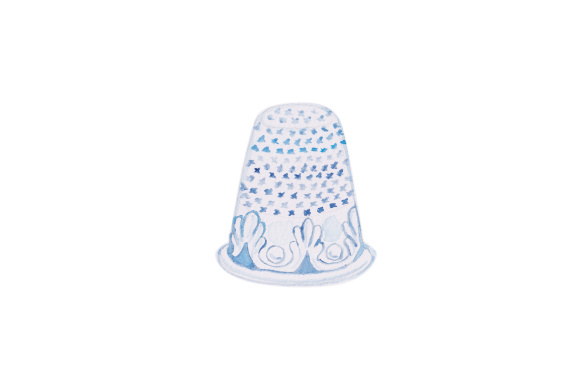
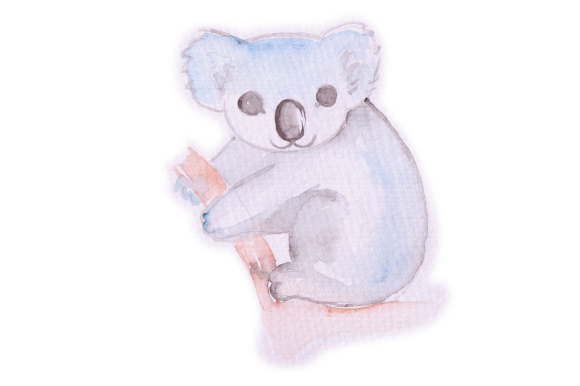
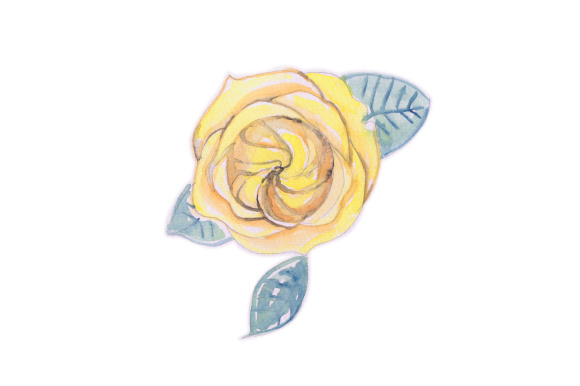
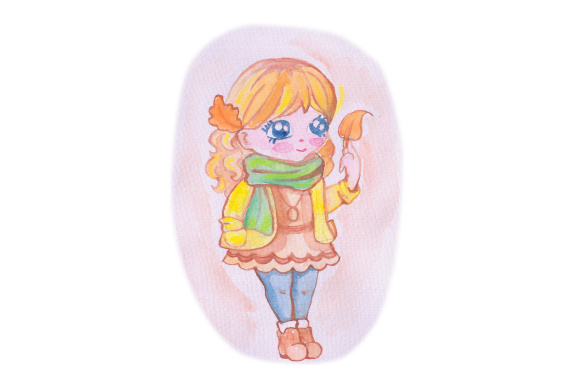
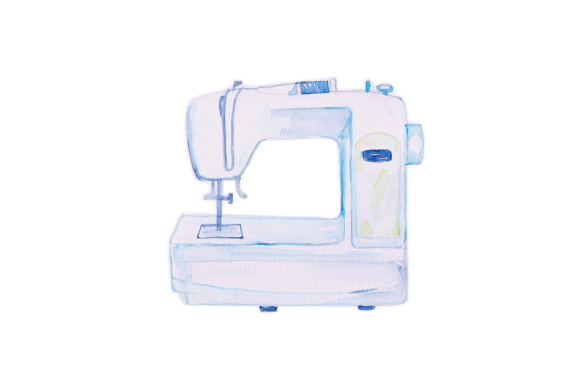
The visual personality of the Watercolor Sewing Machine is undeniably whimsical. The layout suggests a blend of nostalgia and modern craft, with what appears to be bleeding edges and gradient transitions that mimic actual watercolor paint. In the world of machine embroidery, achieving that "bleed" effect without looking muddy is a significant challenge. Usually, sharp lines define our work, but this design invites us to embrace a softer approach. My initial thought was how this would perform as a focal point on a custom tote bag or a nursery pillow cover. The shape is organic enough to feel handmade, yet structured enough to maintain integrity during the stitching process.
However, experience tells me that beauty on the screen often hides complexity in the stitch path. When evaluating a design like this, I immediately start mentally mapping out the satin stitch and fill stitch requirements. To replicate the watercolor look, the designer likely utilized high-density fill stitches with varying thread colors to create depth. This is promising for a finished product that needs to stand out on a crowded Etsy shelf, but it demands precision in execution.
Real-World Application: From Tote Bags to Boutique Merchandise
Let's talk about where this design actually shines. Imagine you are preparing a line of personalized gifts for the upcoming holiday season. You have a client who wants a unique sweatshirt embroidery project that screams "creative entrepreneur." The Watercolor Sewing Machine fits perfectly here. Placed on the left chest of a heavy cotton sweatshirt, the soft gradients would contrast beautifully against the textured fabric, creating a sophisticated look that elevates a basic garment into a boutique product.
I can also envision this as a key asset for small shop products like aprons or kitchen towels. In a home decor setting, the artistic nature of the design adds a layer of warmth that standard logos lack. If you are an Etsy seller looking to expand your digital product previews, using this design in printable mockups could significantly boost buyer engagement. Customers browsing for handmade items often crave that "artist-made" vibe, and this embroidery file delivers exactly that. It transforms a simple textile into a canvas, making it ideal for baby embroidery projects where softness and charm are paramount.
Strategic Use Cases for Craft Businesses
- Custom Apparel: Perfect for the back of a denim jacket or the front of a linen shirt where there is ample space for the details to breathe.
- Embroidered Patches: The distinct outline allows it to be cut out and applied as a patch on caps or backpacks, adding a pop of artistic flair.
- Holiday Gifts: Ideal for wrapping tissue paper accents or gift tags that feature embroidered elements, offering a premium touch.
- Nursery Decor: The gentle color palette works wonders on blankets and bibs, fitting seamlessly into a child's room theme.
Navigating Challenges: Where Caution is Required
While the potential is high, we must address the practical limitations. A design with such intricate shading and gradient effects requires careful consideration regarding hoop size and fabric texture. If you attempt to use the Watercolor Sewing Machine on a very small hoop, you risk losing the subtle color transitions that give it its character. The detail level might get compressed, turning those beautiful watercolor washes into a solid block of thread.
Fabric choice is equally critical. On thin or stretchy fabrics like jersey knit, the density required to achieve the watercolor effect could cause puckering. I always advise testing on scrap fabric first. If you plan to use this on dark fabric, ensure the thread colors provide sufficient contrast; otherwise, the design may appear flat. Additionally, curved surfaces like baseball caps can distort the organic shapes of the design if the stabilizer isn't properly managed. For commercial embroidery projects where consistency is key, these variables can make or break your reputation.
Critical Considerations for Designers
- Stitch Density: High density is needed for the watercolor effect, which increases production time and thread consumption.
- Small Details: Tiny lettering or fine lines within the design may need simplification for smaller applications.
- Wear and Tear: Designs with dense fills on items that require frequent washing, like tea towels, may show wear faster than simpler outlines.
- Layered Garments: Ensure the design sits flat when placed over seams or zippers to avoid misalignment.
Impact on Visual Appeal and Brand Trust
Using a high-quality machine embroidery design like this directly influences customer trust. In the handmade market, presentation is everything. A well-executed Watercolor Sewing Machine motif signals professionalism and attention to detail. It tells the buyer that you care about the aesthetics of your finished product. Conversely, a poorly stitched version with skipped threads or poor registration can damage your brand consistency. The visual appeal of this design lies in its ability to bridge the gap between digital art and tactile craft, making it a powerful tool for creative entrepreneurs aiming to elevate their product value.
For digital product sellers, this design serves as an excellent example of how to curate design assets that resonate with current trends. The watercolor style is timeless yet trendy, appealing to a wide demographic. When used correctly, it enhances the giftability of your items, making them feel more personal and exclusive. Whether you are selling the physical item or the digital embroidery file itself, the perceived quality of the design drives sales.
Practical Designer Notes for Success
Before committing to a large run of products, follow these steps to ensure the best results. First, test the design on scrap fabric that matches your final material. Check the thread color contrast under different lighting conditions to ensure the watercolor effect remains visible. Review the stitch density settings on your machine; sometimes, reducing the density slightly can prevent puckering while maintaining the visual impact.
Confirm the hoop size requirements early in your planning phase. If the design is too large for your intended application, consider scaling it down carefully, but be aware that this may affect the clarity of the details. Inspect small details closely after the first test run; you may need to adjust the tension or change the type of stabilizer used. Test it in black and white mockups to see how the structure holds up without color distractions. Finally, compare light and dark fabric backgrounds to determine the most versatile options for your inventory.
Always use proper stabilizer to support the weight of the thread, especially for complex fill areas. Check whether the design works for both personal and commercial projects by reviewing the licensing terms before selling finished items or digital products. While the Watercolor Sewing Machine offers immense creative potential, success lies in the preparation. By treating this design with the respect it deserves and understanding its technical needs, you can create stunning, professional-grade embroidery that delights customers and strengthens your craft business.