Watercolor Flower: A Designer's Real-World Review
As a designer who has spent years navigating the intersection of digital art and physical thread, I approach every new machine embroidery design with a mix of excitement and skepticism. The screen often lies; what looks like soft gradients on a monitor can turn into muddy patches or broken lines when stitched onto fabric. When I first opened the Watercolor Flower file from Designs Amp, my immediate goal was to determine if this aesthetic could survive the transition from pixel to stitch without losing its soul. This is not just about whether the file opens correctly, but whether it translates into a high-quality finished product that customers will actually want to buy.
The First Impression: Capturing Softness in Thread
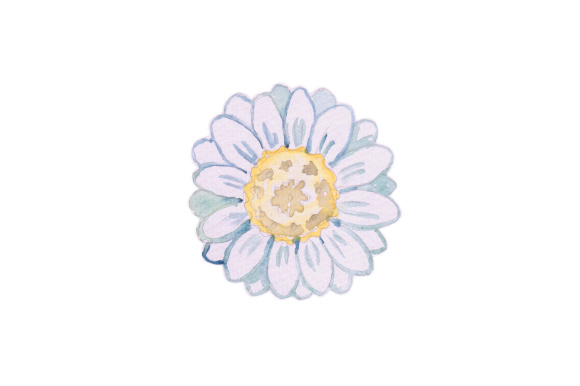
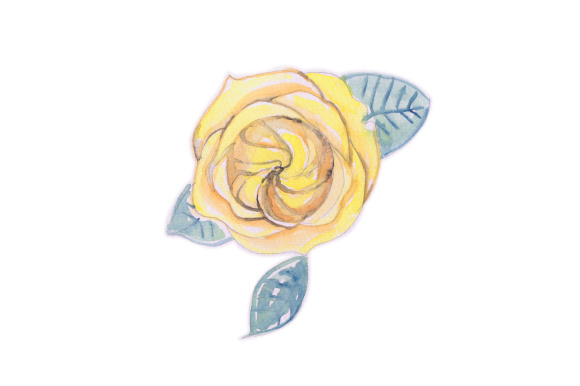
The visual personality of Watercolor Flower is undeniably delicate. It aims for that dreamy, bleeding-edge look of traditional watercolor painting, where colors blend softly rather than sitting in hard blocks. In the world of embroidery project planning, achieving this effect is notoriously difficult. Most standard files rely heavily on fill stitch with sharp edges, which can make floral designs look stiff and cartoonish. However, the layout here suggests a thoughtful approach to layering. The shape feels organic, avoiding rigid symmetry, which immediately signals that this design belongs in the realm of boutique branding or high-end personalized gift items rather than mass-market promotional gear.
When evaluating the mood, Watercolor Flower exudes a gentle, feminine energy. It screams "spring collection" or "nursery decor." For an Etsy seller or a small shop owner looking to differentiate their inventory, this kind of visual nuance is critical. It moves away from the generic clip-art feel that plagues many digital embroidery files. If you are building a brand around handmade authenticity, this design offers a strong foundation for brand consistency. It invites the viewer to slow down and appreciate the texture, which is exactly what we want when selling handmade product lines.
Real-Life Application: From Screen to Sweatshirt
To truly test the viability of Watercolor Flower, I imagined a specific scenario: creating a limited-run line of custom tote bags and heavyweight cotton sweatshirts for a local craft fair. The goal was to see how the design holds up on textured surfaces and under the scrutiny of potential buyers flipping through a table display. On a canvas tote bag design, the slight weave of the fabric usually adds character to a design. With Watercolor Flower, the softer color transitions would likely interact beautifully with the canvas grain, enhancing the "painted" illusion rather than fighting against it.
However, moving to a sweatshirt embroidery application requires more caution. Fleece and brushed cotton have a nap that can obscure fine details. If the stitch density in the darker areas of the flower is too sparse, the dark background of the garment might show through, ruining the gradient effect. Conversely, if the density is too high, the fabric might pucker, creating an unprofessional lump that detracts from the flow of the design. In a real client project, I would prioritize using this on medium-weight fabrics where the thread can sit flat and true. For custom apparel, the placement matters immensely. Centered on a chest pocket or slightly off-center on a sleeve, Watercolor Flower acts as a statement piece. But on a large back panel, it might feel too small unless scaled significantly, which risks distorting the delicate petals.
Considerations for Baby Items and Home Decor
Beyond apparel, the gentle nature of this design makes it a prime candidate for baby embroidery. Think onesies, bibs, or nursery blankets. Parents often seek out soft, non-aggressive patterns for their children's items. The pastel-like quality of Watercolor Flower fits this demographic perfectly. However, safety and durability are paramount here. Since baby clothes go through frequent washing cycles, the thread colors must be vibrant enough to withstand bleaching and agitation without fading. Additionally, the backing stabilizer must be robust enough to prevent tearing, especially if the design includes any long satin stitches that could snag on tiny hands or toys.
In the home decor sector, specifically for kitchen towels or pillow covers, the design shines. These items are often displayed prominently, allowing the customer to admire the craftsmanship. An embroidered patch version of this flower could also be a hit for hat customization or denim jackets, adding a touch of whimsy to rugged materials. The contrast between the rough denim and the soft, painted look of the flower creates a compelling visual tension that drives buyer engagement.
Where Caution Is Required
Despite its appeal, Watercolor Flower is not a universal solution. There are specific contexts where this design should be used with extreme care. Small hoop sizes are a major red flag. The subtle blending effects that define the watercolor style require space to breathe. Compressing this design into a 4x4 inch hoop could result in lost detail and a muddled appearance. Always check the recommended hoop size before committing to a sale.
Textured fabrics like linen or heavy tweed can also pose challenges. While they add rustic charm, the uneven surface can cause the thread to bridge gaps or sink in unpredictably, altering the intended color flow. Similarly, stretchy fabrics like jersey knit require significant stabilization. Without the right stabilizer, the tension from the running stitch or fill areas could distort the fabric, making the flower look warped rather than blooming.
Dark fabrics present another hurdle. Watercolor effects often rely on light-to-dark transitions. Stitching this on black or navy fabric might require extensive underlays and lighter thread layers to achieve visibility, potentially increasing production time and cost. If you are planning commercial embroidery runs, calculate these variables carefully to maintain your profit margins.
Practical Designer Notes for Success
Before you integrate Watercolor Flower into your business workflow, follow these practical steps to ensure a professional outcome:
- Test on Scrap Fabric: Never skip the test run. Stitch the design on the exact fabric you plan to use for the final product. Check for puckering, registration issues, and color accuracy.
- Review Stitch Density: Inspect the digitization closely. Are there areas where the thread is too tight? Loose threads can unravel over time, damaging your reputation as a maker.
- Check Thread Color Contrast: Ensure the chosen thread colors pop against the background. Sometimes, what looks good on a white screen needs adjustment for a beige or grey fabric.
- Confirm Licensing: As a small shop product creator, always verify the license terms with Designs Amp. Can you sell finished goods? Can you resell the embroidery file? Understanding these boundaries protects your business legally.
- Use Proper Stabilizer: Whether it is cut-away for knits or tear-away for wovens, the right support is non-negotiable for maintaining the integrity of the finished product.
- Mockup Testing: Create printable mockups to visualize how the design sits on different products. This helps in marketing and setting customer expectations accurately.
Final Verdict on Value and Appeal
Ultimately, Watercolor Flower is a strong asset for designers who understand the nuances of textile art. It elevates a simple item into a piece of wearable art, increasing perceived value and customer trust. For the creative entrepreneur looking to stand out in a crowded market, this design offers the visual sophistication needed to command higher price points. It is not merely a decoration; it is a brand enhancer.
If you take the time to respect the technical requirements—testing, stabilizing, and selecting the right fabric—this machine embroidery design can become a cornerstone of your portfolio. It bridges the gap between digital convenience and tactile beauty, proving that even in a world of automation, the human touch in design selection remains vital. Whether you are crafting a holiday gift or launching a new line of custom apparel, Watercolor Flower brings a level of elegance that resonates deeply with modern consumers.