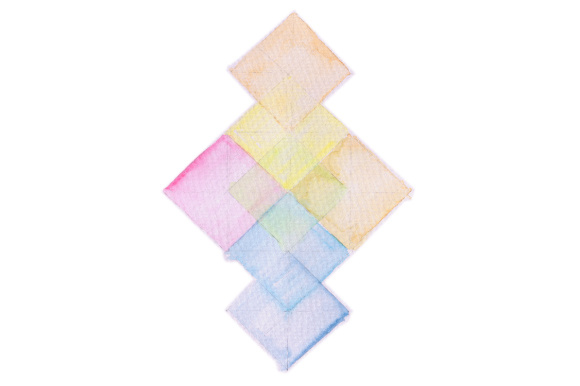
Watercolor Squares: A Designer's Practical Review
As a designer who has spent years navigating the intersection of digital art and physical thread, I approach every new machine embroidery design with a mix of excitement and skepticism. The screen often lies; what looks like soft gradients on a monitor can turn into muddy patches or broken lines when stitched onto fabric. When I first encountered Watercolor Squares from Designs Amp, my immediate reaction was to test its potential for real-world application rather than just admiring the preview image. This review breaks down how this specific design holds up under the pressure of actual production, client expectations, and the demands of a small craft business.
The Visual Promise vs. Stitch Reality
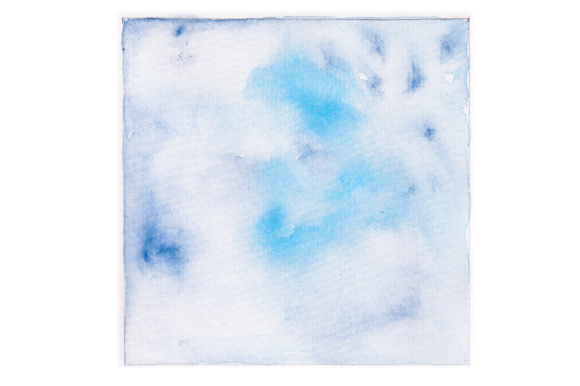
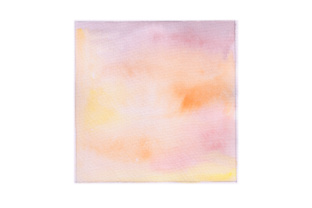
The concept behind Watercolor Squares is inherently appealing. It taps into the current trend of organic, artistic textures that soften the rigid geometry of squares. For an Etsy seller or boutique owner looking to elevate a basic item, this aesthetic offers a sophisticated alternative to traditional floral or geometric patterns. The mood it creates is modern yet nostalgic, perfect for brands aiming for a handmade, artisanal feel without the labor-intensive process of hand-painting.
However, the challenge with watercolor effects in embroidery is replicating the fluidity of paint using thread. In theory, the design uses varying stitch density and thread colors to mimic the bleed of ink on paper. In practice, this requires careful execution. If the fill stitch is too tight, the soft edges disappear, leaving a blocky, pixelated look. If it is too loose, the design loses its structural integrity, especially on textured fabrics. My first step before committing to any client order is always to pull a sample on scrap fabric to see if the "watercolor" illusion survives the stitching process.
Real-World Application: The Custom Tote Bag Scenario
To truly evaluate Watercolor Squares, let's imagine a specific project: creating a line of premium canvas tote bags for a local art supply shop. These bags need to be durable, stylish, and visually striking enough to justify a higher price point. Placing Watercolor Squares on the front panel of a natural beige tote bag presents an excellent opportunity. The neutral background allows the vibrant hues of the design to pop, while the square format fits neatly within standard hoop sizes.
In this scenario, the design acts as a focal point. Unlike a large, all-over pattern that might overwhelm the garment, these squares offer a balanced composition. They work beautifully as a standalone statement or as part of a cluster layout. For a custom apparel decorator, this versatility is key. You could position one large square near the bottom corner for a subtle brand accent, or arrange three smaller squares vertically down the side of the bag for a more dynamic look. The visual appeal here directly translates to product value; customers perceive items with high-quality, unique designs as more professional and worth purchasing.
Considerations for Different Fabrics and Products
While the tote bag scenario works well, not every fabric plays nice with watercolor-style embroidery. When considering sweatshirt embroidery, you must account for the looped texture of fleece. On a thick cotton blend, the running stitch details that define the watercolor edges might get lost in the pile of the fabric. Conversely, on a smooth jersey knit, the design shines, provided you use the correct stabilizer. Without adequate backing, the stretch of the fabric can distort the squares, turning them into uneven blobs.
For delicate items like baby embroidery or nursery decor, the softness of the watercolor theme is a major selling point. Parents love gentle, artistic motifs for onesies, bibs, and pillow covers. However, safety and durability are paramount. The design must be stitched securely so that no loose threads pose a choking hazard, and the colors must be colorfast for frequent washing. If you are producing holiday gifts or personalized items, ensure the embroidery file is optimized for the specific weight of the fabric you are using. A design that looks crisp on a heavy denim jacket might sink into a thin silk scarf, ruining the effect.
Navigating Technical Challenges
One area where designers must exercise caution with Watercolor Squares is on dark fabrics. Watercolor effects often rely on white or light-colored threads to create highlights and transparency. On a black hoodie or navy apron, achieving that ethereal glow becomes difficult. You may need to adjust the thread colors significantly or add a layer of underlay to prevent the dark fabric from showing through the lighter stitches. Additionally, curved surfaces like caps present a challenge. The sharp corners of the squares can distort when stitched over the dome of a hat, potentially ruining the geometric integrity of the design.
Another critical factor is the hoop size. While the squares are modular, attempting to stitch a complex arrangement in a very small hoop can lead to registration issues. The transition between different colored areas needs to be precise to maintain the watercolor illusion. If the machine shifts even slightly during color changes, the soft edges will appear jagged. Always check the recommended dimensions in the digital embroidery file description before starting your project. If the details are too fine for your intended hoop size, consider simplifying the layout or choosing a larger scale.
Business Strategy and Licensing
For the craft business owner or small shop product creator, the commercial viability of a design is just as important as its aesthetic. Before listing Watercolor Squares on your storefront, you must confirm the licensing terms. Some commercial embroidery licenses allow you to sell finished goods but prohibit reselling the digital file itself. Others may have restrictions on the volume of items you can produce. Misunderstanding these terms can lead to legal issues and damage your reputation.
Furthermore, consistency is vital for branding. If you plan to use this design across multiple products—from embroidered patches to kitchen towels—you need to ensure the color palette remains consistent. Test the design on various backgrounds to see how it interacts with different materials. Creating printable mockups can help you visualize the final product before investing in expensive thread and fabric. This step builds customer trust; when buyers see a realistic representation of the finished product, they are more likely to engage and make a purchase.
Final Verdict for the Maker
Watercolor Squares is a strong addition to any designer's library, offering a fresh take on geometric art that resonates with modern tastes. Its success, however, depends entirely on the maker's attention to detail. By testing on scrap fabric, selecting the right stabilizer, and respecting the limitations of different textiles, you can transform this embroidery project into a standout piece. Whether you are creating a personalized gift for a friend or building inventory for your online store, this design provides the artistic flair needed to stand out in a crowded market. Just remember: the magic happens not just in the download, but in the thoughtful execution of the stitch.