3D Lotus Flower: A Review of Paper Flowers
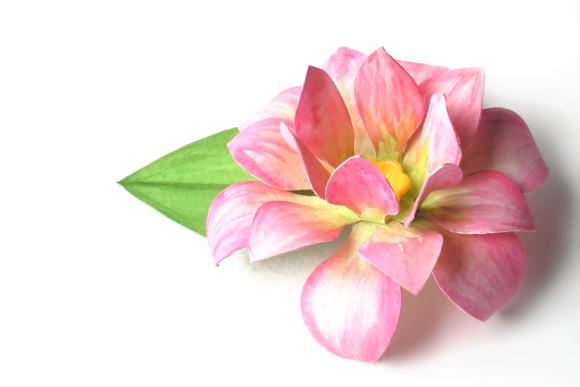
As a brand designer who has spent years curating visual identities for small businesses and digital creators, I approach every new graphic design asset with a critical eye. The question is never just "does it look good?" but rather "how does this elevate the brand story?" When I first encountered the 3D Lotus Flower, I was immediately struck by its depth and texture. Unlike flat clipart that often feels generic, this asset possesses a tangible quality that bridges the gap between digital illustration and physical craftsmanship. It creates an immediate mood of serenity, growth, and organic elegance, making it a powerful tool for brands aiming to project authenticity and calm.
The First Impression: Texture and Emotional Resonance
In the crowded landscape of social media graphics, the first few seconds determine whether an audience stops scrolling or keeps moving. The 3D Lotus Flower excels here because it mimics the intricate layering found in real Paper Flowers. This textural detail suggests care and attention, qualities that are highly valued in handmade products, wellness services, and lifestyle content. For a brand owner launching a new line of eco-friendly skincare or a yoga retreat, this asset instantly communicates a premium, natural aesthetic without needing a single word of copy. It avoids the "messy" look of low-quality PNGs and instead offers a clean, professional appearance that builds audience trust from the very first glance.
Integrating into Real-World Marketing Campaigns
To truly understand the value of this creative design, let's imagine a real-world scenario. Picture a small business owner preparing a seasonal launch for a meditation app. They need visuals that stand out on Instagram, Pinterest, and their website header. Using the 3D Lotus Flower as a central element in their campaign allows for a cohesive narrative. On Instagram posts, the flower can serve as a decorative frame around a quote, creating a clear visual hierarchy that guides the eye to the message. On Pinterest, where visual appeal drives traffic, the 3D effect makes the pin pop against a white background, increasing click-through rates. This versatility transforms a simple digital product into a cornerstone of a multi-channel marketing strategy.
Expanding Your Brand Identity Across Touchpoints
The utility of the 3D Lotus Flower extends far beyond social media. In packaging design, this asset can be used on product labels or packaging inserts to add a touch of sophistication. Imagine a tea company using this illustration on a thank-you card included in every box; it reinforces the brand's commitment to mindfulness and quality. For web design, the asset works beautifully as a hero graphic or a subtle background element in email banners. It supports content marketing efforts by breaking up text-heavy blog posts with visually engaging editorial design elements. Whether you are creating Canva templates for clients or designing merchandise like stickers and tote bags, the SVG design format ensures scalability without losing that crisp, 3D definition.
Strategic Applications for Maximum Impact
- Hero Graphics: Use the full bloom as a focal point for landing pages to create a strong first impression.
- Social Media Covers: Incorporate the petals into Facebook and LinkedIn cover photos to establish a consistent brand look.
- Product Launch Visuals: Pair the flower with bold typography to announce new arrivals in a way that feels both modern and timeless.
- Event Flyers: Utilize the organic shape to soften the edges of promotional materials for workshops or webinars.
- Digital Product Bundles: Include the asset in a design bundle for coaches and consultants looking to refresh their presentation decks.
Navigating Limitations and Design Constraints
While the 3D Lotus Flower is a versatile asset, experienced designers know that context is everything. This asset should be used carefully in formal corporate branding where a stark, minimalist approach is required. The intricate details might get lost in dense information layouts or small mobile graphics if not sized correctly. Additionally, placing it on low-contrast backgrounds can diminish its 3D effect, making it appear flat and unprofessional. It is also crucial to ensure the asset does not compete with the main message; in text-heavy ads, the flower should act as a supporting accent rather than the primary focus. Always test readability in small sizes to maintain clarity across all devices.
Practical Designer Notes for Implementation
Before integrating this commercial design into your workflow, run through these essential checks. First, test the asset against your brand color palette. Does the natural tone of the lotus complement your primary hues, or does it clash? Second, check how it performs in black and white usage, especially for print applications like brochures or invoices. Place the 3D Lotus Flower inside real campaign mockups to see how it interacts with other elements like buttons and headlines. Compare it against competitor visuals to ensure your brand stands out rather than blending in.
Typography pairing is another critical factor. The organic curves of the lotus pair exceptionally well with elegant script fonts or handwritten styles, enhancing the feeling of personal connection. However, it can also ground a bold sans-serif font, adding warmth to a modern tech brand. Review spacing and balance to avoid clutter; sometimes less is more. Finally, always confirm the commercial license before using it in paid campaigns, client work, or business branding. Ensuring you have the right rights protects your business and maintains professional integrity.
Conclusion: Elevating Your Visual Story
In conclusion, the 3D Lotus Flower is more than just a pretty image; it is a strategic tool for small business branding and professional branding alike. Its ability to evoke emotion, support visual hierarchy, and adapt to various formats makes it a standout choice in any creative marketplace. Whether you are a blogger, a digital seller, or a creative entrepreneur, this illustration offers the depth needed to make your content memorable. By understanding its strengths and limitations, you can leverage this graphic design asset to create campaigns that not only attract attention but also build lasting connections with your audience.