Watercolor Flowers: A Designer's Stitch Review
As a designer who has spent years translating digital art into tangible thread, I approach every new machine embroidery design with a mix of excitement and skepticism. The gap between a beautiful screen image and a successful finished product can be wide. Recently, I evaluated the Watercolor Flowers design, categorized under Illustrations, to see if it holds up under the pressure of real-world production. This isn't just about whether the lines look pretty; it is about how they behave when pulled through fabric, how they age after washing, and whether they will sell on your Etsy shop or boutique shelf.
The First Impression: Mood and Visual Personality
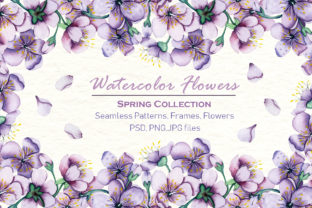
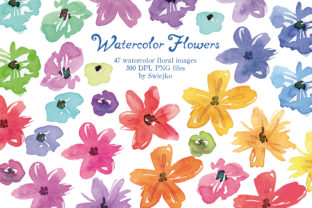
When you first open the embroidery file for Watercolor Flowers, the immediate sensation is softness. Unlike rigid geometric patterns or bold logos, this design mimics the fluidity of paint bleeding into paper. The layout suggests an organic arrangement, perfect for creating a sense of gentle movement on a static surface. For a craft business owner, this visual personality is a double-edged sword. On one hand, it offers a sophisticated, artistic vibe that elevates a simple tote bag or kitchen towel into a piece of decor. On the other, achieving that "watercolor" effect in thread requires careful attention to stitch density and color blending.
In my initial review, the design feels like it belongs on lightweight fabrics where the stitches can lay flat without adding bulk. It screams "personalized gift" or "boutique branding." If you are looking for something to slap onto a heavy denim jacket with aggressive saturation, this might not be your go-to. However, for nursery decor, baby embroidery, or delicate holiday gifts, the aesthetic is spot-on. The mood it creates is welcoming and timeless, which is exactly what customers want when they buy handmade items.
Real-World Application: From Hoop to Home
To truly understand the value of Watercolor Flowers, I imagined a specific scenario: preparing a custom embroidered tote bag for a local craft fair. Tote bags are a staple for small shop products, but they are also notoriously difficult because the fabric often shifts during stitching. When I visualized placing this design on a natural cotton canvas, the soft edges of the flowers seemed to anchor the composition beautifully. The lack of harsh outlines allows the design to breathe, making it less likely to look cluttered even from a distance.
I also considered using this as a sweatshirt embroidery element. Placing a cluster of these flowers on the left chest of a cream-colored hoodie could create a high-end, boutique look. The key here is the thread colors. Because the design relies on the watercolor illusion, you cannot simply use standard solid threads. You would need to select variegated threads or carefully blend multiple shades to mimic the gradient effect. If done correctly, the result is a custom apparel piece that looks far more expensive than its production cost.
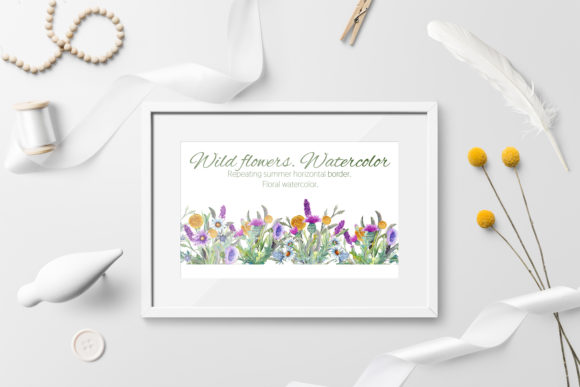
For those selling digital assets or printable mockups, Watercolor Flowers serves as an excellent example of how to present a design before it is stitched. Showing a mockup of this design on a pillow cover or apron helps potential buyers visualize the final outcome, boosting customer trust and engagement. It transforms a simple digital embroidery file into a desirable lifestyle product.
Navigating Fabric Challenges and Textures
While the design is versatile, there are specific situations where caution is required. One major consideration is fabric texture. On highly textured fabrics like waffle weave or thick fleece, the fine details of the watercolor petals might get lost. The fill stitch used to create the soft gradients needs a smooth surface to reflect light properly. If the fabric bumps are too large, the design may appear muddy rather than artistic.
Another critical area is the choice of hoop size. Since watercolor effects often rely on overlapping layers of thread, the design requires enough space to prevent the machine from bunching the fabric. Using a small hoop size might force the design to compress, ruining the delicate balance of the petals. Always check the recommended dimensions in the file description before hooping. Similarly, stretchy fabrics require a robust stabilizer. Without proper backing, the tension from the needle can distort the floral shapes, turning elegant curves into jagged lines.
Dark fabrics present another challenge. The ethereal quality of Watercolor Flowers is best showcased on light or neutral backgrounds. On black or navy fabric, the lighter thread tones might not pop unless you use a dense underlay or a specific technique to build up opacity. Before committing to a dark garment, I always recommend testing the design on scrap fabric first to ensure the contrast is sufficient for the intended audience.
Technical Considerations for Professional Results
From a technical standpoint, the success of this project hinges on preparation. As a reviewer, I advise every designer to test the design on scrap fabric first. This step is non-negotiable for commercial embroidery projects. You need to verify the stitch density to ensure there are no gaps in the fill areas that would show the background fabric. Too much density can cause puckering, while too little leaves holes that ruin the watercolor illusion.
Pay close attention to the satin stitch and running stitch elements within the file. These are often used for outlines or delicate veins in the leaves. If the thread tension is off, these thin lines can break or loop, creating a messy appearance. Inspect small details under good lighting before cutting the thread. Additionally, consider how the design performs in black and white mockups. Sometimes, a design that looks vibrant in color loses its definition in grayscale, which matters for print marketing materials or clients who only see the outline.
Licensing is another vital component. If you plan to sell finished items like embroidered patches, baby clothes, or holiday gifts, confirm the licensing terms of the Watercolor Flowers file. Ensure you have the right to produce and sell physical goods made with this asset. Many designers offer different licenses for personal versus commercial use, and misunderstanding this can lead to legal issues for your craft business.
Final Verdict: Is It Worth the Thread?
Ultimately, Watercolor Flowers is a strong contender for designers who want to add a touch of artistic flair to their portfolio. It excels in applications where softness and elegance are paramount, such as personalized gifts, nursery sets, and high-end home textiles. However, it demands respect for the medium. It is not a "set it and forget it" design. It requires thoughtful fabric selection, precise stabilizer usage, and careful color planning.
If you are an Etsy seller or a small shop owner looking to differentiate your brand, this design offers a unique aesthetic that stands out against the sea of bold, graphic prints. By taking the time to test, refine, and execute the design properly, you can create a finished product that not only looks beautiful but also builds lasting customer loyalty. In the world of handmade products, the difference between good and great often lies in these nuanced details, and Watercolor Flowers provides the canvas for that excellence.