Watercolor Flowers - Spring Collection Review
As a designer who has spent years translating digital art into tangible thread, I approach every new machine embroidery design with a mix of excitement and skepticism. The gap between a beautiful screen image and a successful finished product can be wide. When I first opened the files for Watercolor Flowers - Spring Collection, my immediate goal was to determine if this set of Illustrations could survive the rigors of real-world stitching or if it would fall apart under the pressure of a busy production schedule.
The First Impression: Mood and Visual Personality
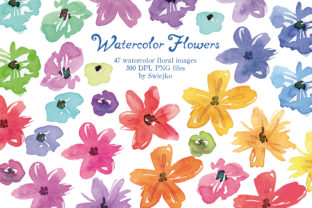
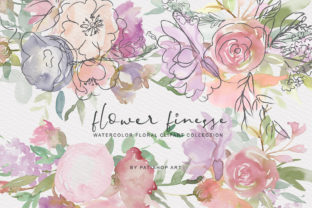
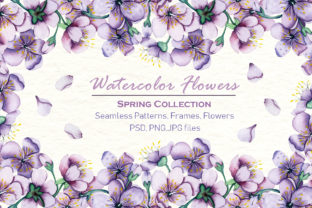
The aesthetic of Watercolor Flowers - Spring Collection is immediately striking. It captures that soft, bleeding-edge look of traditional watercolor painting, which is notoriously difficult to replicate in thread. Unlike rigid geometric patterns or heavy satin bands, these designs rely on subtle gradients and organic shapes. For an Etsy seller or a boutique owner looking to elevate their brand, this collection offers a distinct visual language. It feels fresh, airy, and undeniably seasonal without being cliché.
However, the challenge lies in the translation. In a digital preview, the petals look like delicate washes of color. In reality, we are working with fill stitch and running stitch techniques. My initial assessment suggests that the success of this design hinges entirely on how well the digitizer has managed the stitch density. If the density is too high, the fabric will pucker; too low, and the watercolor effect will look patchy. This is not a "load and go" design for beginners. It requires a discerning eye to ensure the thread colors blend seamlessly to mimic the intended artistic style.
A Real-World Test: The Custom Tote Bag Scenario
To truly evaluate Watercolor Flowers - Spring Collection, I imagined a specific project: creating a limited run of custom canvas tote bags for a local craft fair. These bags need to be durable, visually appealing from a distance, and capable of withstanding frequent washing. I placed the largest floral arrangement from the collection onto a mockup of a natural-colored cotton tote.
The result was promising. The soft edges of the flowers contrasted beautifully against the textured weave of the canvas. Because the design avoids sharp, hard lines, it flows naturally with the fabric's grain. For a handmade product like this, the design adds significant perceived value. A customer holding a tote bag with this embroidered patch-style application is likely to feel they are purchasing art, not just a utility item. The personalized gift potential here is also high; imagine adding a recipient's name in a simple script font below the blooms for a wedding party favor or a baby shower hostess gift.
However, when I mentally scaled the design down for a smaller item, like a cap or a sweatshirt pocket, concerns arose. The delicate details that make the watercolor effect work risk getting lost on curved surfaces or small hoop areas. On a cap, the tension of the fabric combined with the curve could distort the soft gradients, turning them into muddy blobs. This tells me that while Watercolor Flowers - Spring Collection is excellent for flat, stable surfaces, it needs careful consideration for curved or highly structured garments.
Navigating Fabric Challenges and Technical Nuances
One of the most critical aspects of using this digital embroidery file is understanding its relationship with different fabric texture types. Watercolor effects thrive on smooth, medium-weight fabrics like linen, cotton blends, or stabilizer-backed knits. They struggle on very thick textures like heavy denim or extremely thin, sheer materials where the backing might show through.
If you are planning to use this design on dark fabrics, you must anticipate the need for a solid underlay. Without a proper base layer of fill stitch, the pastel tones inherent in the spring theme will disappear into the background. Similarly, on stretchy fabrics used for custom apparel like yoga tees, the design could warp during wear. As a professional reviewer, I strongly advise testing this design on scrap fabric first. Check how the threads interact with your specific material and adjust your stabilizer choice accordingly. A cut-away stabilizer might be necessary for knits to maintain the integrity of the flower shapes over time.
Where to Use With Caution
- Small Hoop Sizes: The intricate blending of petals may require more space than a 4x4 inch hoop allows. Scaling down can cause thread bunching.
- Textured Fabrics: Heavy tweeds or bouclé can disrupt the flow of the stitches, making the watercolor effect look uneven.
- Frequent Washing Items: While embroidery is durable, dense areas of fill stitch on items like kitchen towels or aprons can become stiff after repeated laundering.
- Detailed Corners: Ensure the design does not place fine details right at the edge of the hoop where registration issues often occur.
Impact on Brand Consistency and Customer Trust
For creative entrepreneurs and small shop owners, consistency is key. Using a cohesive set like Watercolor Flowers - Spring Collection across multiple products—such as pillow covers, tea towels, and nursery decor—creates a recognizable brand identity. Customers begin to associate that specific floral style with your quality and taste. This builds customer trust and encourages repeat business.
Furthermore, the professionalism of the final output directly influences buyer engagement. A poorly executed design with visible puckering or mismatched thread colors can damage your reputation. Conversely, a flawless execution of this design showcases technical skill and attention to detail. It signals that you care about the quality of your commercial embroidery projects. Whether you are selling digital product previews or physical goods, the visual appeal of the design acts as a silent salesperson.
Practical Designer Notes for Success
Before committing to a full production run, follow these steps to ensure the best results with Watercolor Flowers - Spring Collection:
- Test on Scrap Fabric: Always run a test stitch-out on the exact fabric you plan to use. This reveals issues with stitch density and tension before you waste expensive materials.
- Review Thread Contrast: Check how the lighter shades of the watercolor palette appear against your chosen background. You may need to adjust the order of thread changes or add a shadow layer.
- Confirm Hoop Size: Verify that your machine's hoop can accommodate the design dimensions without cropping essential parts of the floral arrangement.
- Inspect Small Details: Zoom in on the digitized file to check for tiny jumps or unnecessary trims that could affect the fluidity of the design.
- Use Proper Stabilizer: Do not skimp on stabilization. The open nature of watercolor-style stitching often requires extra support to prevent fabric distortion.
- Check Licensing: Before selling any finished product or offering the embroidery file as part of a bundle, confirm the licensing terms. Ensure you have the right to use Watercolor Flowers - Spring Collection for commercial purposes.
Final Verdict on Utility and Value
Watercolor Flowers - Spring Collection is a powerful asset for designers who understand the nuances of thread and fabric. It is not merely a decoration; it is a tool for storytelling and brand building. When applied correctly to suitable substrates like tote bags, pillow covers, or light custom apparel, it transforms ordinary items into desirable, high-end pieces. However, it demands respect for its technical requirements. It is best suited for makers who are willing to tweak settings, test thoroughly, and prioritize quality over speed.
If you are looking to expand your catalog with something that feels both artisanal and modern, this collection delivers. Just remember that the magic happens not just in the file, but in your hands as you prepare the machine, select the stabilizer, and execute the stitch. Treat it with the care it deserves, and it will serve your craft business beautifully throughout the season and beyond.