Le Kilimanjaro: A Designer's Review
When I first pulled up the preview for Le Kilimanjaro, I wasn't just looking at a collection of digital lines; I was visualizing the texture, the thread weight, and the final drape of the fabric it would eventually adorn. As someone who has spent years curating design assets for my own craft business and advising other Etsy sellers on what sells, I know that a beautiful file on a screen does not always translate to a stunning finished product. This review is about bridging that gap between the digital embroidery file and the tangible reality of stitching.
The First Impression: Mood and Movement
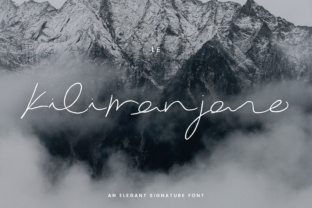
Le Kilimanjaro immediately strikes a balance between elegance and approachability. The name suggests something grand and timeless, yet the execution within the Script Amp category feels intimate and fluid. The script flows with a natural rhythm, avoiding the stiff, robotic look that plagues many machine embroidery designs found online. There is a distinct personality here—a sense of adventure mixed with sophistication. It creates a mood that is perfect for branding or personalizing items where you want to convey quality without shouting for attention.
Visually, the layout is balanced. The ascenders and descenders of the script do not feel cramped, which is crucial when you are planning to stitch this onto curved surfaces like caps or the chest of a sweatshirt. The detail level is high enough to show off the skill of the embroidery machine but not so dense that it risks puckering thin fabrics. It feels like a design that belongs on a boutique tote bag or a high-end nursery blanket, elevating a simple handmade product into something customers will pause to admire.
Real-World Application: From Screen to Stitch
Let’s talk about how Le Kilimanjaro performs in a real-life scenario. Imagine you are preparing a custom embroidered tote bag for a local art fair. You have chosen a sturdy canvas, perhaps a natural beige tone, and you want the text to pop without overwhelming the material. In this context, the design shines. The flow of the script mimics the weave of the fabric, creating a harmonious look that feels intentional rather than slapped on.
I also envision this as a standout piece for custom apparel. Picture a heavy cotton sweatshirt for a small shop product line. Placing Le Kilimanjaro across the back or subtly on the left chest adds a layer of professionalism that separates your brand from generic print-on-demand competitors. For baby embroidery, the gentle curves of the script make it ideal for personalized blankets or onesies, where softness is key. The design avoids sharp, jagged edges that could irritate sensitive skin, making it a safe and stylish choice for parents looking for a unique gift.
For the holiday season, this design transforms a simple kitchen towel or an apron into a memorable hostess gift. The script style allows for easy customization if you were to pair it with a date or a location, turning a standard item into a cherished keepsake. Whether you are selling these as digital products or physical goods, the visual appeal of the design drives customer trust. When a buyer sees a clean, well-executed stitch pattern, they assume the entire handmade product is of superior quality.
Navigating Challenges: Where Caution is Needed
While Le Kilimanjaro is versatile, it is not a magic bullet for every situation. As a designer, I must advise caution when using this script on textured fabrics like denim or heavy wool. The intricate details of the script can get lost in the weave, leading to a muddy appearance in the final embroidery project. Similarly, on stretchy fabrics like jersey knit, the tension required to hold the shape of the script can cause distortion if the wrong stabilizer is used.
Small hoop sizes present another challenge. While the design looks great at a larger scale, shrinking it down to fit a 4x4 inch hoop might compromise the legibility of the finer strokes. Tiny lettering can turn into a blob of thread if the stitch density is too high for the reduced size. Always check the minimum recommended size before committing to a small patch or a hat panel. Additionally, on dark fabrics, the contrast becomes critical. Without careful selection of thread colors, the white or light-colored fill stitches might not stand out enough against a black background, diminishing the impact of the design.
Practical Designer Notes for Success
To ensure Le Kilimanjaro delivers the results you expect, follow these practical steps:
- Test on Scrap Fabric First: Never skip this step. Run a test stitch on a scrap piece of the exact fabric you plan to use. This allows you to adjust the tension and see how the thread interacts with the material.
- Check Thread Color Contrast: Use a color wheel or a digital mockup tool to verify that your chosen thread colors provide enough contrast against the fabric. High contrast ensures the script remains readable from a distance.
- Review Stitch Density: Inspect the areas where the script crosses over itself. Ensure the fill stitch is not too dense, which can lead to puckering, especially on lightweight materials.
- Confirm Hoop Size: Measure your hoop carefully. If the design is too large, you may need to split it or resize it, but be wary of losing detail.
- Use Proper Stabilizer: For a script design like this, a tear-away or cut-away stabilizer is essential to support the long satin stitches and prevent shifting during the embroidery process.
- Inspect Small Details: Zoom in on the digital file to check for any potential issues with underlay stitches or jump lines that could leave unwanted threads on the finished product.
- Test Black and White Mockups: Before ordering expensive thread, create a grayscale version of the design on your fabric to visualize the value and depth of the script.
- Verify Licensing: If you are a commercial embroidery seller, confirm the licensing terms for Le Kilimanjaro. Ensure you are allowed to sell the finished items or use the design in your digital product listings.
Final Thoughts on Value and Versatility
In the competitive world of handmade goods and custom apparel, the right design asset can make all the difference. Le Kilimanjaro offers a sophisticated aesthetic that elevates everything from a simple tote bag to a complex boutique branding project. It speaks to a customer base that appreciates craftsmanship and attention to detail. However, its success relies heavily on the user's ability to match the design with the right fabric, stabilizer, and hoop size.
Whether you are an experienced embroiderer or a hobbyist just starting your craft business, this design provides a strong foundation for creating high-value products. By taking the time to test and refine your application of Le Kilimanjaro, you ensure that every stitch contributes to a professional, polished look. It is a design that rewards patience and precision, ultimately resulting in a finished product that stands out in a crowded market. Remember, the best embroidery is not just about the file; it is about how you bring that file to life on the fabric.