Anggun Script: A Designer's Real-World Review
When I first pulled up the Anggun Script file on my design software, I wasn't just looking for a pretty font; I was hunting for a solution to a specific client request. The brief was simple yet demanding: create a custom embroidered tote bag that felt boutique-quality but could be produced quickly for a small shop launch. As someone who has spent years navigating the line between digital aesthetics and physical thread, my initial reaction to this Script Amp category design was cautious optimism. Does it hold its shape when stitched? Will it look as fluid on fabric as it does on a screen? These are the questions that separate a hobbyist from a professional decorator.
First Impressions: Flow and Personality
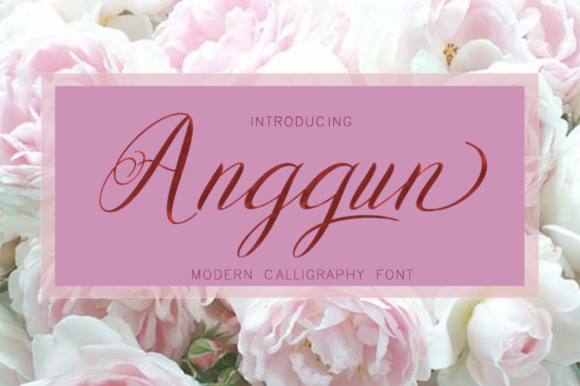
The visual personality of Anggun Script is immediately striking. It carries a mood of effortless elegance, characterized by sweeping curves and a rhythmic flow that mimics hand-lettering. Unlike rigid block fonts that can feel industrial, this script feels organic and warm. For an embroidery designer, the layout suggests a design that thrives on negative space. The loops and tails are designed to dance rather than crowd each other, which is crucial for maintaining clarity in a machine embroidery design.
In a real-world scenario, imagine placing this on a cream-colored canvas tote bag. The softness of the script would complement the natural texture of the cotton, creating a finished product that looks curated rather than mass-produced. This is exactly the kind of handmade product detail that drives sales on platforms like Etsy or at local craft fairs. The design doesn't scream for attention; it whispers sophistication, making it perfect for personalized gifts where subtlety is key.
Performance in Real-Life Embroidery Situations
How does Anggun Script actually perform when the needle starts moving? In my experience with similar script files, the transition from digital to physical often reveals hidden flaws. However, the structure here appears robust enough for various applications. For custom apparel, such as sweatshirts or t-shirts, the flowing lines work beautifully to follow the drape of the fabric. If you are creating a sweatshirt embroidery project for a holiday collection, this script adds a festive yet timeless touch without looking dated.
I also envision this design working exceptionally well for baby embroidery. The gentle curves are non-threatening and visually soothing, ideal for nursery decor or personalized onesies. When used on a pillow cover or a kitchen towel, the script becomes a statement piece. The key is understanding how the fill stitch and satin stitch interact with these curves. A high-quality script like Anggun should utilize satin stitches for the main lettering to give it that polished, ribbon-like appearance, while fill stitches might be reserved for any decorative flourishes if the design includes them.
For the Etsy seller or small shop owner, versatility is currency. This design fits seamlessly into a range of categories: from embroidered patches that add character to denim jackets to delicate accents on aprons for a cooking class giveaway. The ability to scale the design without losing legibility is a major plus. Whether you are producing a single personalized gift or a batch of commercial embroidery items, the consistency of the stroke width ensures that the final output remains professional.
Where Caution is Required
Despite its strengths, no design is universally perfect without adjustments. There are specific scenarios where Anggun Script requires careful handling. First, consider the hoop size. Because scripts rely on long, continuous lines, shrinking the design too much can cause the letters to merge or become illegible. If you are working within a small hoop, say 4x4 inches, test the minimum height carefully. Tiny lettering in a script font can turn into a tangled mess of thread if the stitch density isn't managed correctly.
Fabric choice is another critical factor. On textured fabrics like heavy canvas or boucle, the fine details of the script might get lost in the weave. Similarly, on stretchy fabrics like jersey knit, the tension of the running stitch or satin columns can cause puckering if the wrong stabilizer is used. Dark fabrics present their own challenge; the contrast needs to be sharp. If you are using a dark background, ensure your thread colors pop, or consider adding a backing layer to make the white or light-colored script stand out.
Curved surfaces, such as caps or hats, demand extra attention. While the script flows well, the curvature of a cap can distort the baseline of the letters. You may need to adjust the underlay settings to ensure the design sits flat against the curve. Additionally, for products that require frequent washing, like tea towels or baby clothes, check the durability of the stitching. Dense areas in the script could potentially snag if not secured properly, so reviewing the start and stop points of the embroidery file is essential.
Practical Designer Notes for Success
To truly unlock the potential of Anggun Script, I recommend a disciplined approach before committing to your final materials. Always test the design on scrap fabric first. This allows you to see how the thread interacts with your chosen material and identify any tension issues. Check the thread color contrast against both light and dark backgrounds to ensure readability.
Review the stitch density closely. Scripts often have tight turns; if the density is too high, the fabric may pucker, especially on thinner materials. Confirm that your hoop size accommodates the full length of the text without cutting off the elegant tails of the letters. Inspect small details in your preview mode; sometimes, tiny serifs or dots can disappear during stitching if the resolution isn't high enough.
Test the design in black and white printable mockups to visualize the placement on different products before you stitch. Compare how it looks on a tote bag design versus a holiday embroidery item. Use the proper stabilizer—tear-away for wovens and cut-away for knits—to support the weight of the thread. Finally, confirm whether the digital embroidery file works for both personal and commercial projects. As a craft business owner, you must verify licensing terms before selling finished products or using the design as a design asset for your brand.
Impact on Brand and Buyer Engagement
Ultimately, the value of Anggun Script lies in its ability to elevate the perceived quality of your work. A well-executed script adds a layer of professionalism that generic fonts cannot match. It signals to the customer that care and attention were put into every detail, fostering trust and increasing the likelihood of a purchase. For boutique branding, having a consistent, beautiful script across your small shop merchandise creates a cohesive identity that customers recognize and remember.
Whether you are creating a wedding gift, a patch for a uniform, or a unique digital product preview, this design offers the flexibility to adapt to various needs while maintaining its core aesthetic. It bridges the gap between functional utility and artistic expression. By choosing a script that balances beauty with technical reliability, you ensure that your embroidery project not only looks good but stands the test of time, satisfying both the maker and the end-user.