Cute Elephant Clipart for Crafts
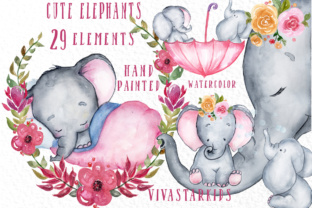
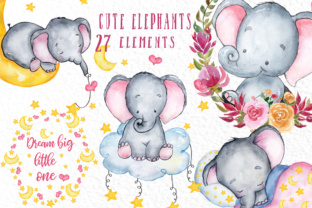
As a brand designer who has spent years refining visual identities for local businesses, I approach every new graphic design asset with a critical eye. Today, I am reviewing the Cute Elephant Clipart to determine if it holds up for real-world application in small business branding. My current project involves rebranding a boutique children's bakery that specializes in organic, handmade treats. The goal is to create a brand identity that feels warm, trustworthy, and whimsical without tipping into clutter. When I first opened the file containing the Cute Elephant Clipart, the immediate impression was one of softness and approachability. The lines are clean, and the character exudes a friendly personality that suggests a brand focused on care and joy.
Assessing the Mood for Local Brand Identity
In the world of local business marketing, the mood of your visuals dictates how customers perceive your product before they even read a word. This particular illustration leans heavily into a playful, modern aesthetic. It does not feel corporate or stiff; instead, it radiates a handmade charm that aligns perfectly with artisanal goods. For a bakery, a skincare line, or a boutique selling children's apparel, this asset signals that the brand is human-centric and fun. However, it is crucial to understand that while it feels premium in its execution, it is inherently decorative. It works best as an accent that supports a narrative rather than carrying the entire weight of a logo on its own.
The design suggests a brand personality that is gentle and inviting. If you are running a handmade business, such as a soap maker or a candle studio, this clipart can serve as a powerful emotional hook. It creates an instant connection with parents looking for safe, delightful products for their families. The visual hierarchy established by using such a distinct character helps guide the customer's eye toward the most important elements of your packaging or website banner.
Practical Applications in Packaging and Print
When moving from concept to execution, the versatility of the Cute Elephant Clipart becomes apparent. In my review for the bakery project, I immediately began testing how this asset functions across various touchpoints. For packaging design, the elephant serves as an excellent hero graphic for the front of a box or a cupcake wrapper. Its simple silhouette ensures it remains recognizable even when scaled down. I also envision using it as a subtle pattern element on the back of a product label, creating texture without overwhelming the ingredient list.
- Product Labels: Placing the elephant next to the brand name creates a memorable anchor point that improves shelf appeal.
- Hang Tags: A small version of the illustration on a cotton hang tag adds a tactile, high-quality feel to clothing or accessories.
- Thank-You Cards: Including the character on inserts sent with orders reinforces the brand story and encourages repeat purchases.
- Social Media Graphics: Using the asset in Instagram stories or promotional posts maintains consistency across digital channels.
- Seasonal Campaigns: The neutral nature of the design allows it to be easily dressed up for holidays, making it a staple for year-round marketing visuals.
Beyond physical goods, this asset translates well to digital environments. Whether you are designing a Canva template for a menu or creating a web design header for your online store, the clarity of the vector lines ensures it looks crisp on screens. For editorial design purposes, such as blog headers or newsletter graphics, the Cute Elephant Clipart adds a layer of professionalism that generic stock photos often lack.
Strategic Placement and Visual Hierarchy
While the asset is versatile, strategic placement is key to maintaining a polished look. The strongest use case is in areas where you want to evoke emotion. On a product mockup, placing the elephant near the handle of a mug or the lid of a jar draws attention to the product itself. It acts as a visual cue that says "this item is special." However, designers must be careful not to let the decoration compete with essential information. In layouts heavy with text, such as nutritional facts or legal disclaimers, the elephant should be minimized or removed entirely to preserve readability.
I recommend using this clipart to build a consistent brand identity. By repeating the motif across business cards, flyers, and posters, you create a cohesive visual language that builds customer trust. When a consumer sees the elephant on a flyer and then again on the actual product, it validates the brand promise. This repetition strengthens the first impression and makes the business more memorable in a crowded marketplace.
Where to Use With Caution
Not every brand is suited for this style. If you are working on formal corporate branding or a luxury minimalist line, the Cute Elephant Clipart might feel too whimsical. It clashes with sleek, high-end aesthetics that rely on negative space and stark typography. Additionally, avoid using it on very small labels where details might get lost during printing. Always check the black and white usage; ensure the design retains its shape and impact without color, as many local businesses print invoices or receipts in monochrome. Low-contrast backgrounds can also swallow the illustration, so test it against your specific palette before finalizing any commercial design.
Designer Notes: Testing and Licensing
Before integrating any design assets into a client project, rigorous testing is non-negotiable. I always start by placing the Cute Elephant Clipart on real product mockups to see how it interacts with lighting and texture. Next, I preview it at the smallest intended size to ensure legibility. Font pairing is another critical step; I test the asset beside serif fonts for a classic look, sans-serif for modernity, and script fonts for elegance. In this case, the rounded nature of the elephant pairs beautifully with handwritten or rounded display fonts, enhancing the friendly vibe.
Technical quality matters just as much as aesthetics. Verify that the file is available in both PNG design formats with transparency for web use and SVG design vectors for scalable print applications. Inspect the edges for jagged pixels, which can ruin a professional presentation. Finally, and perhaps most importantly, confirm the commercial license. As a designer, I cannot stress enough that you must have the right to use this asset for client work, business branding, or physical product sales. Using unlicensed art can lead to legal issues that damage your reputation and bottom line.
In conclusion, the Cute Elephant Clipart is a valuable tool for creative entrepreneurs looking to infuse their brands with warmth and character. When used thoughtfully within the context of Crafts and local retail, it elevates the overall presentation of a business. From improving shelf appeal to strengthening social media graphics, this asset proves that a single, well-chosen illustration can do heavy lifting for your brand strategy. By following these practical evaluation steps, you can ensure your final design is not only cute but also commercially viable and professionally executed.